Post-Treatment Maintenance: Keeping Termites Away For Good
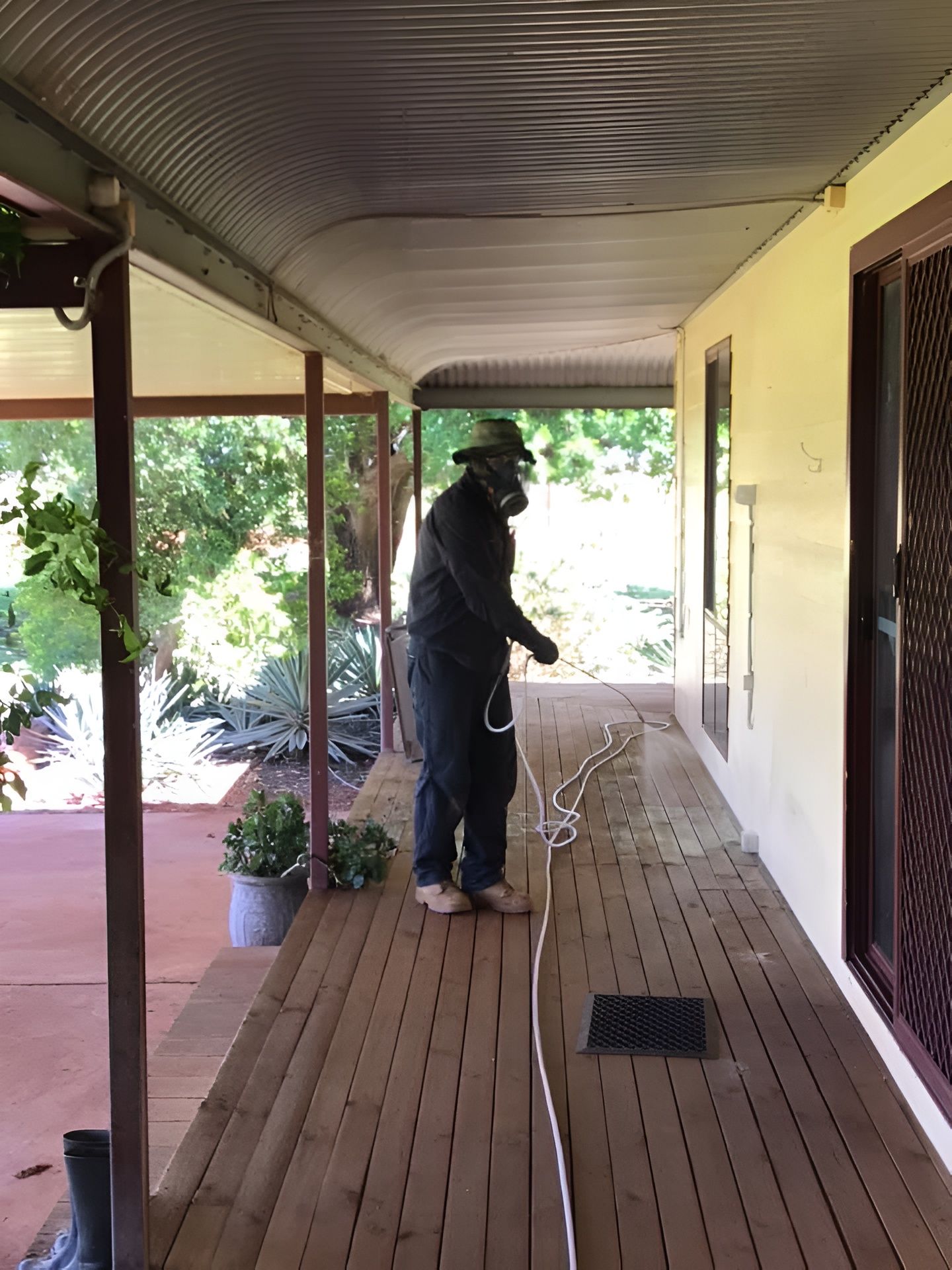
A professional termite treatment in Darwin deals with active termite problems, but keeping termites away takes ongoing maintenance. Regular inspections, moisture control, careful landscaping and monitoring all help reduce the conditions that make a property attractive to termites and improve the chances of catching new activity early.
Why Post-Treatment Maintenance Matter
Termite treatment is only one part of long-term protection. Once an active infestation has been managed, the property still needs ongoing attention because the conditions that attracted termites may remain.
Darwin’s warm, humid environment can support termite activity throughout the year, particularly where moisture, timber or concealed entry points are present.
Effective termite prevention therefore involves looking beyond the treated area. Leaking plumbing, timber touching soil, damp subfloors and garden beds built up against the house can all create new opportunities for termites.
For a broader look at prevention after treatment, see these long-term solutions for Darwin properties.
Schedule Routine Termite Inspections
A previous infestation does not make a property immune to future termite activity.
Professional regular termite inspections check accessible areas for signs of live termites, previous damage, moisture problems and potential entry points.
For homeowners considering termite inspections in Darwin, consistency matters. Properties with a history of termite activity or other higher-risk conditions may need more frequent checks than lower-risk homes.
Routine inspections are especially useful because termites can remain concealed inside timber or underground before obvious damage appears.
Manage Moisture Around Your Property
Good moisture management is one of the most practical ways to make a property less attractive to termites.
Check for leaking taps, damaged gutters, plumbing leaks and areas where water regularly pools near the building. Damp soil and poorly ventilated spaces can create favourable conditions around foundations and subfloors.
Keep an eye on:
- Leaking outdoor taps
- Overflowing or damaged gutters
- Plumbing leaks
- Persistent pooling around the home
- Damp or poorly ventilated subfloors
- Irrigation that keeps soil beside the building constantly wet

Fixing the source matters more than simply drying the visible area.
Landscape Safely To Reduce Termite Risk
Gardens can unintentionally create easy termite access when timber and moisture sit directly beside the home.
Avoid storing firewood, timber offcuts or old building materials against external walls. Remove dead stumps and unnecessary timber debris, and keep garden beds and mulch from building up against foundations or concealing inspection zones.
Timber structures such as fences, decks and garden edging also deserve attention. Where timber stays in direct contact with soil, it can provide another possible food source or pathway.
The goal is not to remove landscaping. It is to maintain enough separation around the building so warning signs remain easier to spot.
Use Ongoing Monitoring Systems
Some properties benefit from termite monitoring systems as part of a broader management plan.
Depending on the property and previous activity, ongoing control may involve baiting stations, chemical soil treatments, protective barriers or scheduled monitoring.
Monitoring is not a set-and-forget measure. Bait stations need checking, treated zones need to remain undisturbed where possible, and follow-up inspections still matter.
Combining these measures with
ongoing termite management gives a property a more complete strategy than relying on a one-off treatment alone.
Signs Termites May Be Returning
Termites often remain hidden, but certain changes around the property should prompt further investigation.
Watch for:

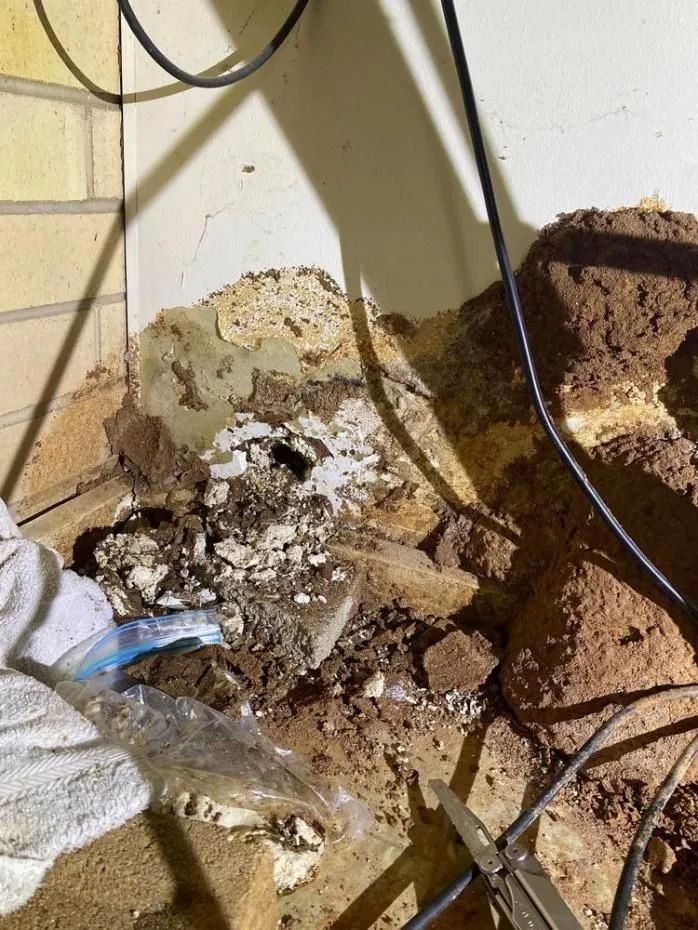
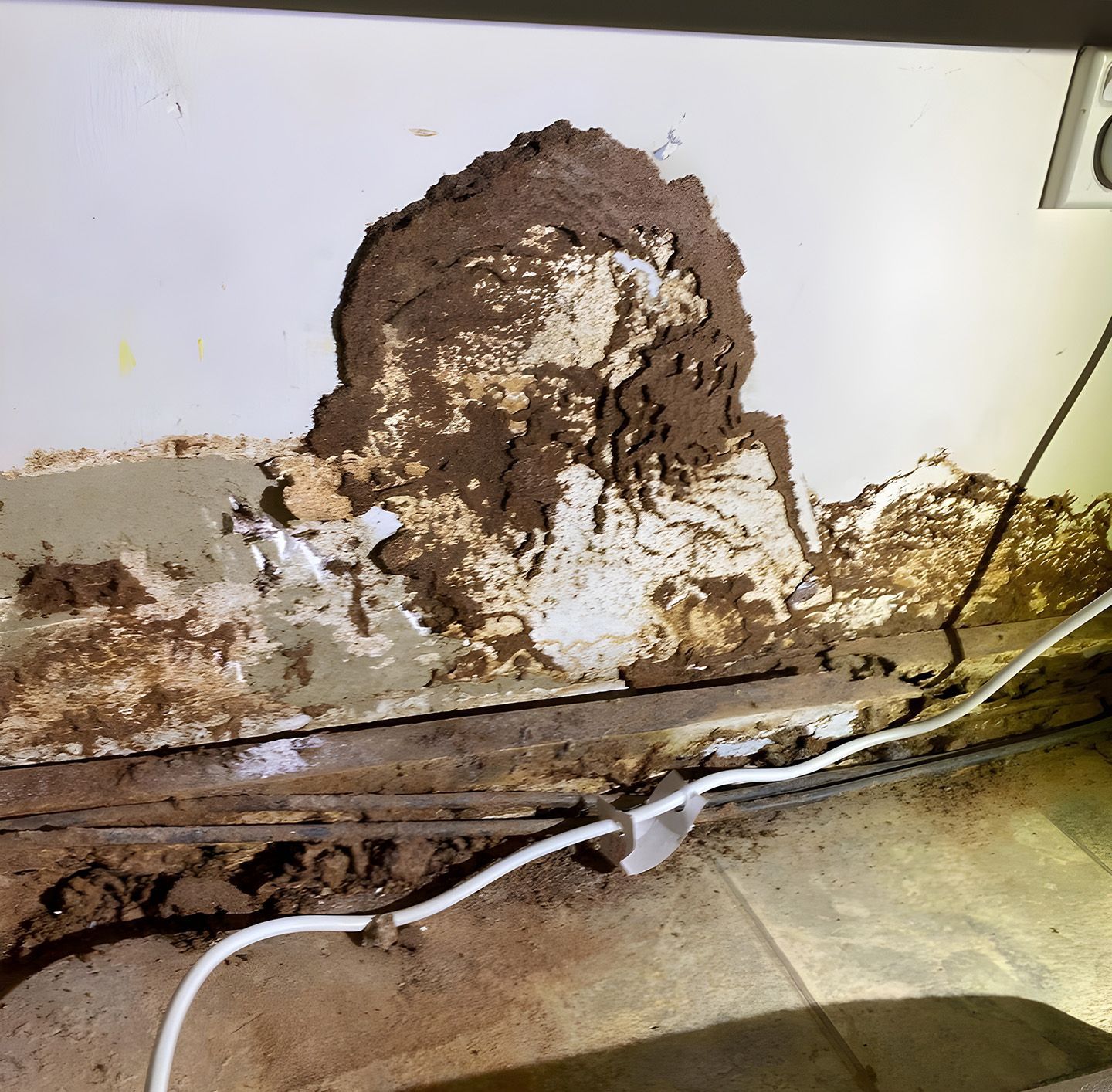
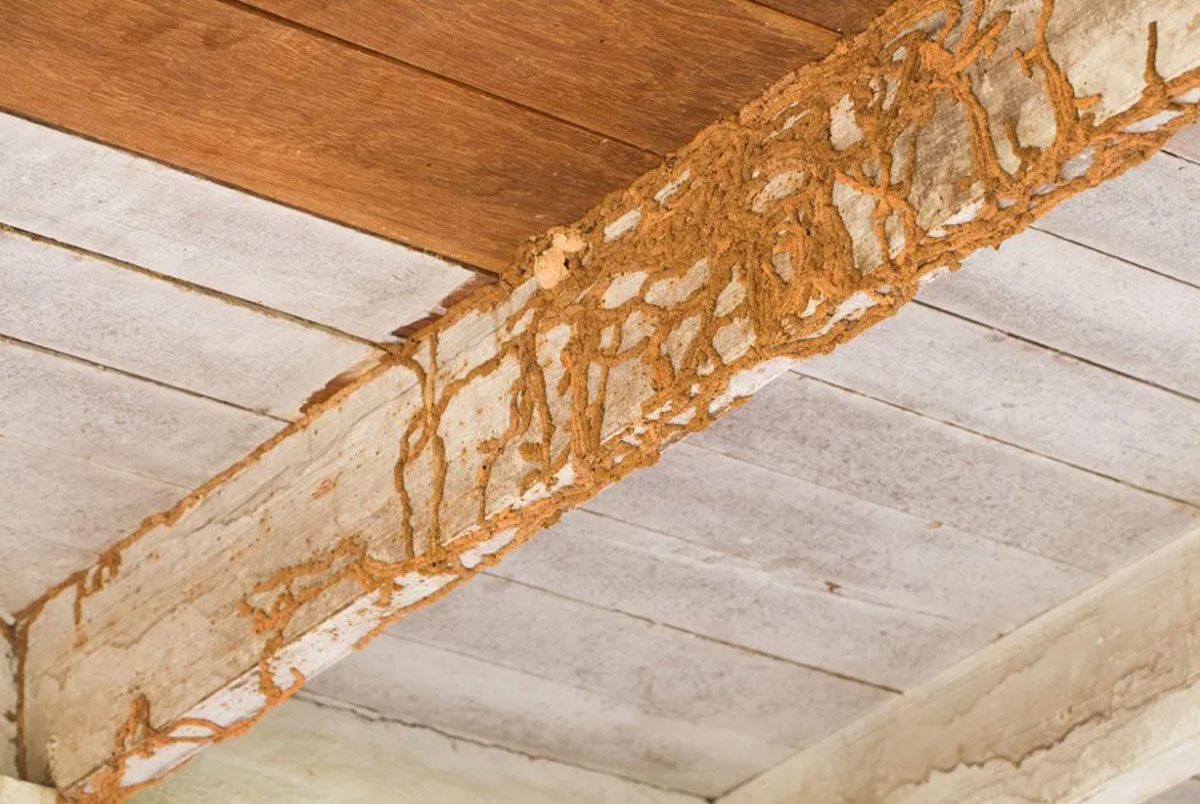
- Mud tubes or mud leads around walls or foundations
- Timber that sounds hollow when tapped
- Bubbling or blistered paint
- Unexplained cracks
- Doors or windows becoming unusually tight
- Discarded wings
- Visible timber damage
- New activity around fences, decks or other structures
These signs do not always confirm an active infestation, but they are worth checking.
Avoid disturbing suspected termite activity before an inspection. Breaking open affected timber or applying household sprays can interfere with assessing where the termites are travelling and how extensive the problem may be.
Protecting Your Home, Investment And Family Long-Term
Long-term termite protection works best when professional management is combined with sensible property maintenance.
For family homes, that means reducing moisture, keeping timber away from soil where practical and maintaining clear inspection areas around the building. For investment properties, scheduled checks can also help identify problems before they develop into more extensive damage.
Homeowners with children, pets or environmental concerns should consider those priorities when choosing a treatment or monitoring approach. The most suitable method depends on the property, the level of termite risk and any existing protection already in place.
The strongest strategy is usually layered: treatment where required, regular inspection, monitoring and practical changes around the property that reduce future termite risk
Keep Your Termite Protection On Track
At Territory Pest Control, we provide professional termite treatment in Darwin, along with inspections, barriers, baiting systems and ongoing management plans suited to local conditions. If your property has previously had termites, we can assess the current protection and recommend practical next steps for keeping your home or investment monitored over the long term.
Frequently Asked Questions
How often should I have my property checked after termite treatment?
We generally recommend regular termite inspections after treatment, with the timing based on the property, its history and the management system already in place. Homes with previous termite activity or other higher-risk conditions may benefit from more frequent checks.
Can termites come back after professional treatment?
Yes. Treatment can address an existing infestation, but termites may return if the property remains accessible or attractive to new colonies. We recommend combining treatment with moisture management, property maintenance, inspections and suitable monitoring or barrier systems where required.
Do termite baiting systems need ongoing maintenance?
Yes. Termite monitoring systems and baiting stations need to be checked as part of an ongoing management program. We can recommend an appropriate monitoring schedule based on the system installed, the property and the level of termite risk.
What can I do myself to reduce termite risk?
Keep timber and garden debris away from the building, repair water leaks, improve drainage and avoid allowing soil or mulch to cover inspection areas. We also recommend watching for changes such as mud leads or damaged timber between professional inspections.
What should I do if I think termites have returned?
Avoid disturbing the affected area or spraying the termites with household products. Contact us so we can inspect the property, assess the activity and determine whether further treatment is required. Early investigation can make it easier to understand what has changed since the previous treatment.