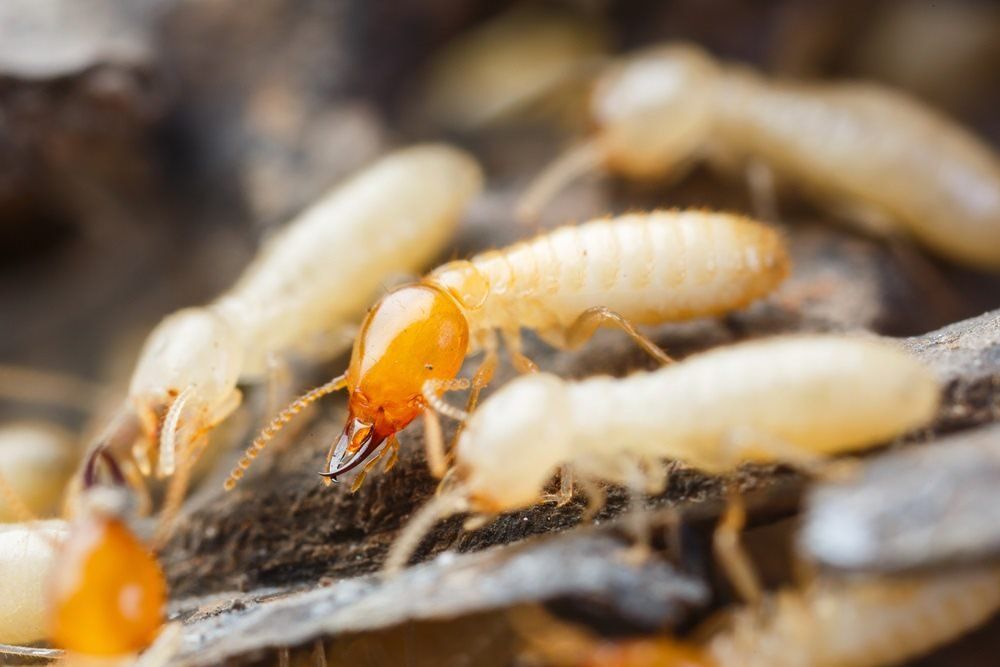
Termite Bait Systems And How They Work In Darwin Properties
Termites can remain hidden while feeding within or around a property, making early detection and ongoing management important. When considering termite treatment in Darwin, property owners have several approaches available, including termite baiting systems. Baiting provides a targeted, low-disturbance way to monitor and treat termite activity using strategically positioned stations rather than widespread soil treatment.
What Is a Termite Baiting System?
A termite baiting system uses strategically positioned stations to monitor for termite activity and, when required, deliver termite bait. In-ground stations are generally installed around a building, while above-ground stations may be used where active termites have already been identified.
A typical system can involve:
- In-ground stations positioned at selected locations around the property
- Cellulose-based material that foraging termites can encounter and feed on
- Termite bait containing an active ingredient designed to affect termite development
- Professional checks to identify activity and maintain the system

When termites interact with the bait, its slow action allows affected worker termites to continue moving through the colony and sharing food with other termites.
Termite baiting systems should not be described as chemical-free. The bait can contain an active ingredient, but it is delivered through targeted stations rather than being broadly applied to surrounding soil.
Baiting is one of several options available as part of professional termite treatment in Darwin, alongside chemical barriers and other targeted treatments.
How Bait Stations Attract and Eliminate Colonies
Termite bait stations rely on the natural foraging behaviour of subterranean termites. Termites travel through soil searching for cellulose food sources and may encounter stations installed around a property.
Once termites interact with a station, the process can involve:
- Termites locating and feeding within the station
- An appropriate bait being introduced according to the system
- Worker termites consuming the bait before returning to the colony
- Food being shared through normal termite behaviour
- The active ingredient interfering with termite growth or development
- Continued checks to assess feeding and termite activity

Certain termite baits use slow-acting active ingredients that interfere with the termites’ ability to moult successfully. The gradual action allows termites to continue interacting with other colony members before the population begins to decline.
Bait stations do not create a barrier that physically prevents termites from approaching a building. Instead, they provide strategically placed points for termite monitoring and treatment.
Baiting Systems vs Chemical Barrier Treatments
Termite baiting systems and chemical soil barriers manage termites differently, so the appropriate option depends on the individual property.

A chemical soil barrier involves applying an approved termiticide to soil around or beneath a structure to establish a treated zone. Depending on the building and access, this can involve trenching, treating exposed soil or drilling through hard surfaces.
Key differences include:
- Treatment area: Bait is contained within stations, while a chemical barrier involves treating relevant soil.
- Installation: Bait stations may involve less disturbance to established paving, gardens and outdoor areas.
- Monitoring: Baiting requires scheduled checks to assess termite activity and bait consumption.
- Method: Baiting targets termites through feeding behaviour, while soil treatments create a treated zone.
- Maintenance: Bait systems require ongoing monitoring, while chemical treatments also form part of a broader inspection and management program.
The right approach to termite management in Darwin can depend on construction, access, existing termite activity and site conditions. In some situations, different management methods may form part of the same overall strategy.
Why Baiting Is a Safer Choice for Families and Pets
For households concerned about the extent of pesticide application around their property, termite baiting offers a more targeted alternative to widespread soil treatment. The active ingredient is delivered within designated stations rather than being applied broadly through surrounding soil.
Practical features include:
- Targeted placement of termite bait
- Contained delivery through designated stations
- Less widespread pesticide application around the property
- Relatively low disturbance to established outdoor areas
- Professional installation and ongoing management
These features can make baiting appealing to families with children or pets who want to minimise broader pesticide application around gardens and outdoor living spaces.
However, low-disturbance does not mean chemical-free or harmless. Termite baits can contain active ingredients and must be handled and maintained according to relevant product requirements.
For homeowners researching eco-friendly termite control, targeted baiting may be one option to discuss with a pest management professional. Those considering lower-impact pest management more broadly can also explore eco-friendly pest control options for Darwin properties.
The Role of Professional Monitoring and Maintenance
Installing termite bait stations is only the beginning of a baiting program. Professional monitoring allows termite activity to be identified and the system to be maintained as conditions change.
During scheduled visits, a pest management professional may:
- Inspect stations for termite activity
- Assess feeding and bait consumption
- Check stations and monitoring material
- Replenish or replace materials when required
- Assess changes in termite activity
- Adjust the management approach where necessary
Conditions around a property can change over time. Moisture, landscaping, renovations and stored timber can influence termite risk, while the required monitoring schedule may vary according to the baiting system and activity found.
A baiting system should therefore not be considered a set-and-forget solution. Pairing station monitoring with
regular termite inspections can help identify activity elsewhere around the property and assess accessible areas beyond individual bait stations.
Is a Baiting System Right for Your Property?
There is no single termite management method that suits every home. Before choosing a baiting system, the property and any existing termite activity should be assessed.
Baiting may be considered where:
- Minimising installation disturbance is important
- Extensive drilling or trenching would be difficult
- Established landscaping complicates some soil treatments
- Ongoing termite monitoring is wanted
- A targeted treatment method is preferred

Other considerations include the building's construction, access around and beneath the structure, signs of termite activity and the need for ongoing station maintenance.
Bait stations also rely on termites encountering and interacting with them. A professional assessment can determine whether baiting, a chemical treatment or a combination of methods is appropriate for the property.
Targeted Termite Management for Darwin Properties
Termite baiting provides a targeted, low-disturbance approach to detecting and managing termite activity. However, it relies on appropriate station placement, regular monitoring and ongoing maintenance rather than functioning as a one-off treatment.
At
Territory Pest Control, we provide
termite treatment in Darwin based on the property and termite activity identified. If you are unsure whether a baiting system is suitable for your home or investment property,
get a free quote and speak with our team about your termite management options.
Frequently Asked Questions
How long do termite baiting systems take to work?
Termite baiting works gradually rather than providing an immediate result. The time involved can vary according to termite species, colony size and location, feeding activity, site conditions and the baiting system being used.
Do termite bait stations stop termites from entering a house?
Termite bait stations do not create a physical barrier that prevents termites from approaching or entering a building. They provide monitoring and treatment points where foraging termites can encounter the system, which is why ongoing inspections remain important.
Are termite baiting systems chemical-free?
No. Termite bait can contain an active ingredient designed to affect termite development. Baiting differs from broader soil treatment because the active ingredient is delivered in a targeted way through designated stations.
How often do termite bait stations need to be checked?
The appropriate schedule depends on the baiting system, product requirements and termite activity at the property. Professional checks allow stations to be inspected, maintained and adjusted when required.
Can termite baiting be combined with other treatments?
Different termite management methods may form part of an overall strategy where appropriate. Property conditions and termite activity should be assessed before determining whether baiting, another treatment or a combination of methods is suitable.


